
Knowledge HubOutdoor Blinds

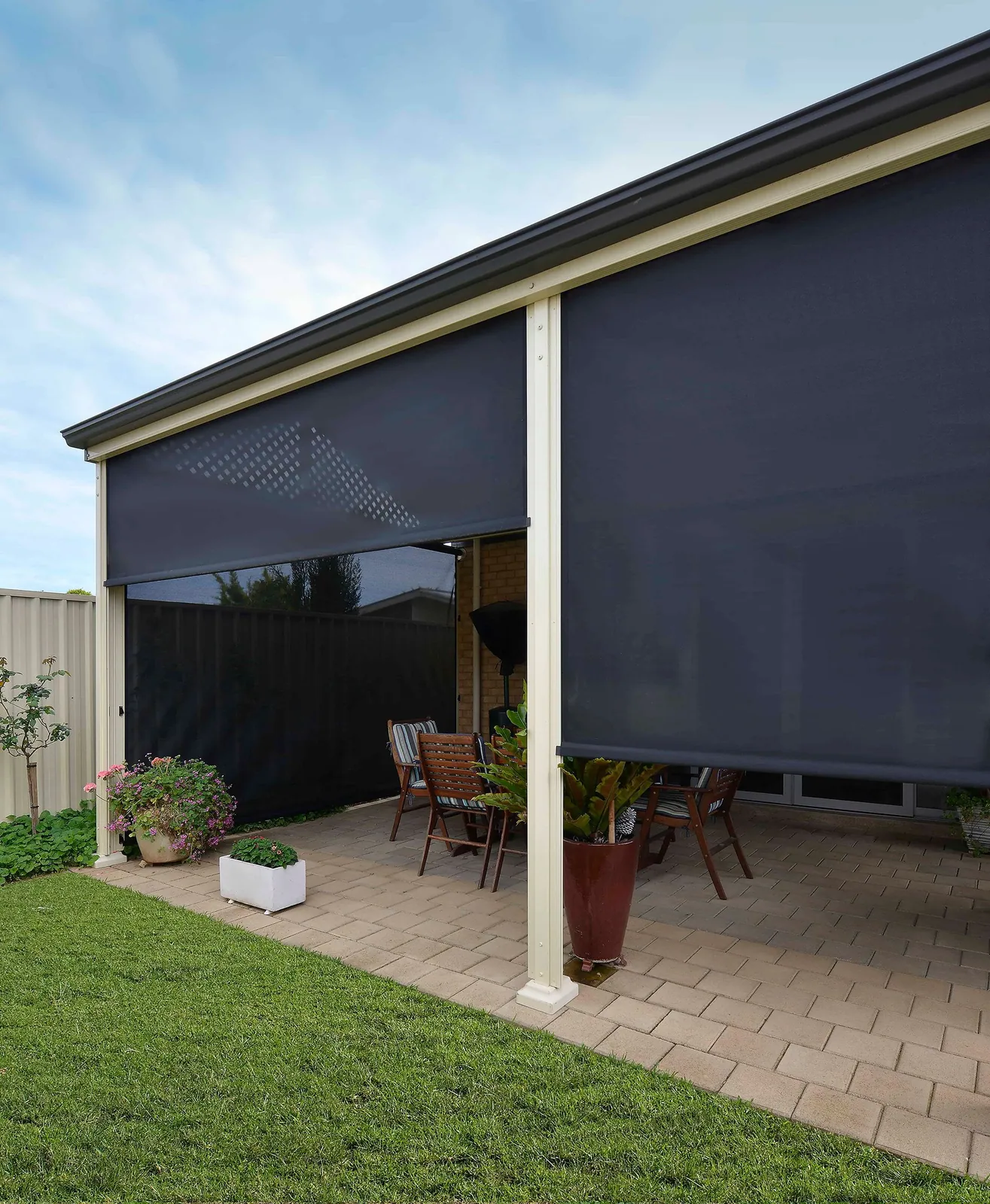 As we delve further and further into the cold and darkness of winter, the time spent outside maintaining our home’s exterior tends to decrease. We seem to find ourselves wrapped in thick layers on the couch dreaming of warmer times and avoiding cleaning and maintenance of our blinds.
Cleaning and maintenance
Nevertheless, Stan Bond external blinds are an investment and an asset; therefore they must be cleaned and maintained.
Our blinds are subjected to the harsh Australian climate 24h a day, 7 days a week, meaning they, unfortunately, will not last as long as they could, unless maintained correctly. It is therefore important to clean and maintain your blinds as regularly as possible.
Find a waterproof jacket to prevent cold wet sleeves and prepare to face the elements. Follow the cleaning instructions for your particular fabric and system, choosing a dry, calm day. Do not wet motors, controls or electrical components. Not only to avoid uncomfortable weather but to allow your blinds to dry. When it becomes time for a more thorough clean, a mild soap will be adequate, however, rinse immediately to avoid residue build up. Never use a hard cleaning fluid.
Damage prevention
It is important that the Stan Bond instructions are followed carefully. Although all Stan Bond products are manufactured for maximum durability and strength, there are instances where extra protection will ensure the longest possible lifespan.
Most Australian outdoor blinds are designed to protect from heat and sun and not specifically the wind. Follow the specific blind’s operating instructions. Before strong winds or storms arrive, retract it if it is undamaged and safe to operate; do not try to handle it once conditions are dangerous.
By leaving them down, it will unnecessarily strain the joints and the materials. It is also worth rolling them up at night in case bad weather develops and catches you by surprise.
Fixings must suit the blind and supporting structure. Have an installer assess them; do not add or change fixings yourself on a damaged system.
For motorised blinds, sensor compatibility depends on the exact motor, controls and locks. Sensors do not guarantee storm protection or replace the manufacturer’s operating limits.
What to do once your blinds have been damaged
Keep people and pets away from damaged blinds, tracks, brackets and posts. Stop using the blind, and do not climb to the roller, force it, hand-wind it or secure it with an improvised belt or strap. Springs and other tensioned parts require qualified assessment.
For a damaged motorised blind, stop operating it and switch off power only if its normal isolator can be reached safely without approaching damaged equipment. Otherwise keep clear and seek qualified help.
Photograph the damage only from a safe position once conditions allow. Use our repairs contact pathway to arrange assessment. Repair options depend on condition, parts and safe access.
Contact us
To help us identify the repairs needed email us (sales@stanbondsa.com.au) the photos with your contact information. Our team will identify the likely steps needed to repair the blind and discuss the assessment, available parts and next steps with you.