

Great insulation for your home
Live Comfortably.
CELLS THAT TRAP AIR, WITH OUR HONEYCOMB BLINDS.
Honeycomb cellular blinds, also known as honeycomb shades or cellular shades, are commonly used overseas. In Adelaide they are often an under-considered option. The fabric is formed into cells that trap air, which can help insulate the window.
How much that changes heating or cooling depends on the selected blind, its fit, the glazing and the rest of the home.
Honeycomb cellular blinds use sheer, light-filtering, semi-opaque and room-darkening woven fabrics, made into a series of d-cell shapes. They can be raised and lowered with a cord, a cordless control, or motorised operation. They are available in a 20 mm single cell. They can be used on narrow windows, large sliding doors and skylight windows, subject to the selected system’s size limits. Panel glide blinds are another option for a large sliding door.
Choose the fabric opacity and the controls for the daylight, privacy and access you need.
They are used with modern and traditional interiors. Styles and fabrics can be chosen to suit the room.
Cellular blinds: versatile and stylish
Honeycomb cellular blinds are available in a variety of fabrics, including light-filtering and blockout options. They are used on different window styles.
They are used in bedrooms, living areas and kitchens. Colours and patterns can be chosen for the room.
Insulation and comfort
How the cells work
The pockets in a honeycomb blind trap air between the window and the room. Depending on the fabric, daylight can still come through.
The effect on heating and cooling depends on the selected blind, its fit, the glazing and the rest of the home.
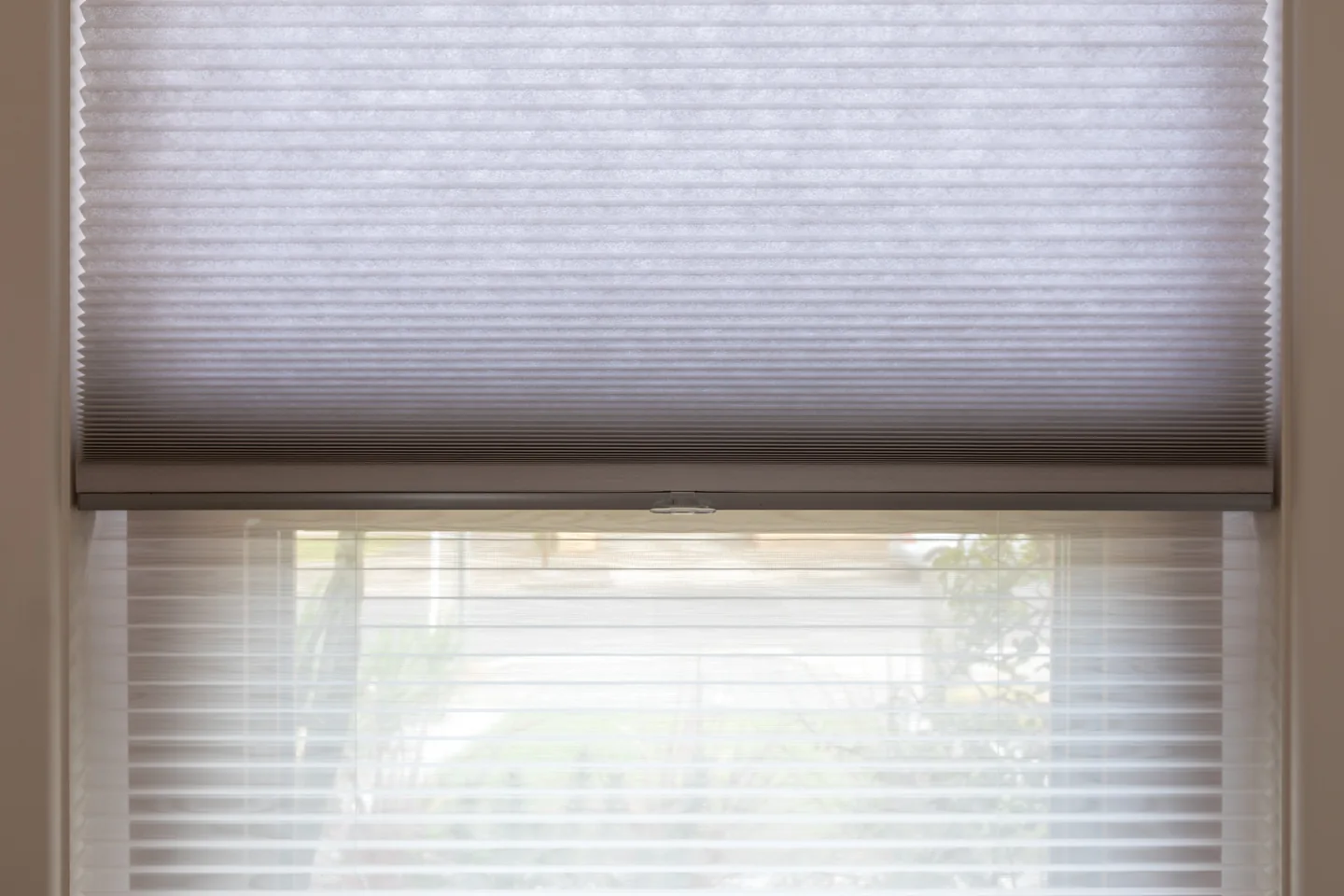
Day-night honeycomb blinds combine two fabrics, such as a sheer top half and a blockout lower half. A day and night split is also available on roller blinds. Light, privacy and any insulating effect depend on the fabrics, the fit and the room.
They are also used in bedrooms and media rooms. The fabric changes how much daylight and privacy you get, including any light at the edges.
Honeycomb cellular blinds are partner-supplied made-to-measure products. They are not manufactured at our Salisbury South factory. The range includes colours, textures, cell sizes and operating systems.
Natural light
Some honeycomb cellular blinds use a sheer section so daylight comes through while the rest of the blind covers the glass. That option is used in living spaces and home offices where daylight matters.
Light filtering
With light-filtering fabrics and blockout fabric options, honeycomb blinds change how much light enters. Room darkening depends on the fabric, with any edge gaps assessed at the measure.
Easy maintenance
Regular cleaning
Use a feather duster or a vacuum cleaner with a soft brush attachment for everyday dust. Dust can sit in the pockets of the blind.
Deeper cleaning
For stains or deeper cleaning, use only the method approved for your selected fabric. Water or rubbing can damage coatings and cell construction. Contact the supplier or a specialist cleaner before treatment.
Care to check first
Follow the care guide for the exact fabric and cell construction. Do not apply anti-static sprays, compressed air, water or detergent unless the supplier approves that method. Ask us for the relevant guide if you are unsure.
Custom options
Fabric and cell
Choose from a range of fabrics to suit the room. Options include single cell and double cell designs.
Operating systems
Motorised operation is available. Cordless and motorised options reduce exposed cords. Some motors work with a remote or an app. Ask which controls are offered for the selected blind.
The air in the cells
The honeycomb cells trap air between the fabric and the glass. That can help insulate the window. How the room feels still depends on the blind, its fit, the glazing and the home.
Create Your Look
More than just blinds
Honeycomb cellular blinds are available in single cell and double cell designs, with light-filtering or blockout fabrics. They are used on windows, patio doors and in home offices. The cells trap air and can help insulate the window. The effect varies with the blind, the fit, the glazing and the home.
Stan Bond offers a range of fabric samples and operating options. Cordless and motorised options reduce exposed cords. The fabric changes how much light enters, including at the edges of the blind.
Features and benefits
See the honeycomb blind range at our Campbelltown showroom, or talk to one of our consultants about blinds for your home.
Easy operation
Range of colours
Insulation properties
Operation
Cordless and standard cord operations are available in top-down or bottom-up lift systems. Motorised options are available. Remote or multi-channel control is confirmed on your quote.
Day/Night Blinds
Day/night configurations combine two fabric opacities in one blind. Ask which combinations and operating options are available for your opening, and check light gaps and privacy after dark.
Honeycomb Fabrics
Select from a broad range of plain and patterned soft fabrics. The fabrics use the latest weaving technology to be suited to different applications. Cleaning methods depend on the exact fabric and construction.
Top-Down and Bottom-Up
Adjust your lighting preference and control your privacy level by lowering the blinds down from the top to let in natural light, or raising them up from the bottom like a traditional roller blind.
Custom Options
Our Honeycomb Cellular Blinds can be custom made to suit all window shapes and sizes – as well as skylights, non-vertical windows, angles and doors. Compare those options on a free measure and quote.
Lead Times
Lead time is confirmed on your quote.
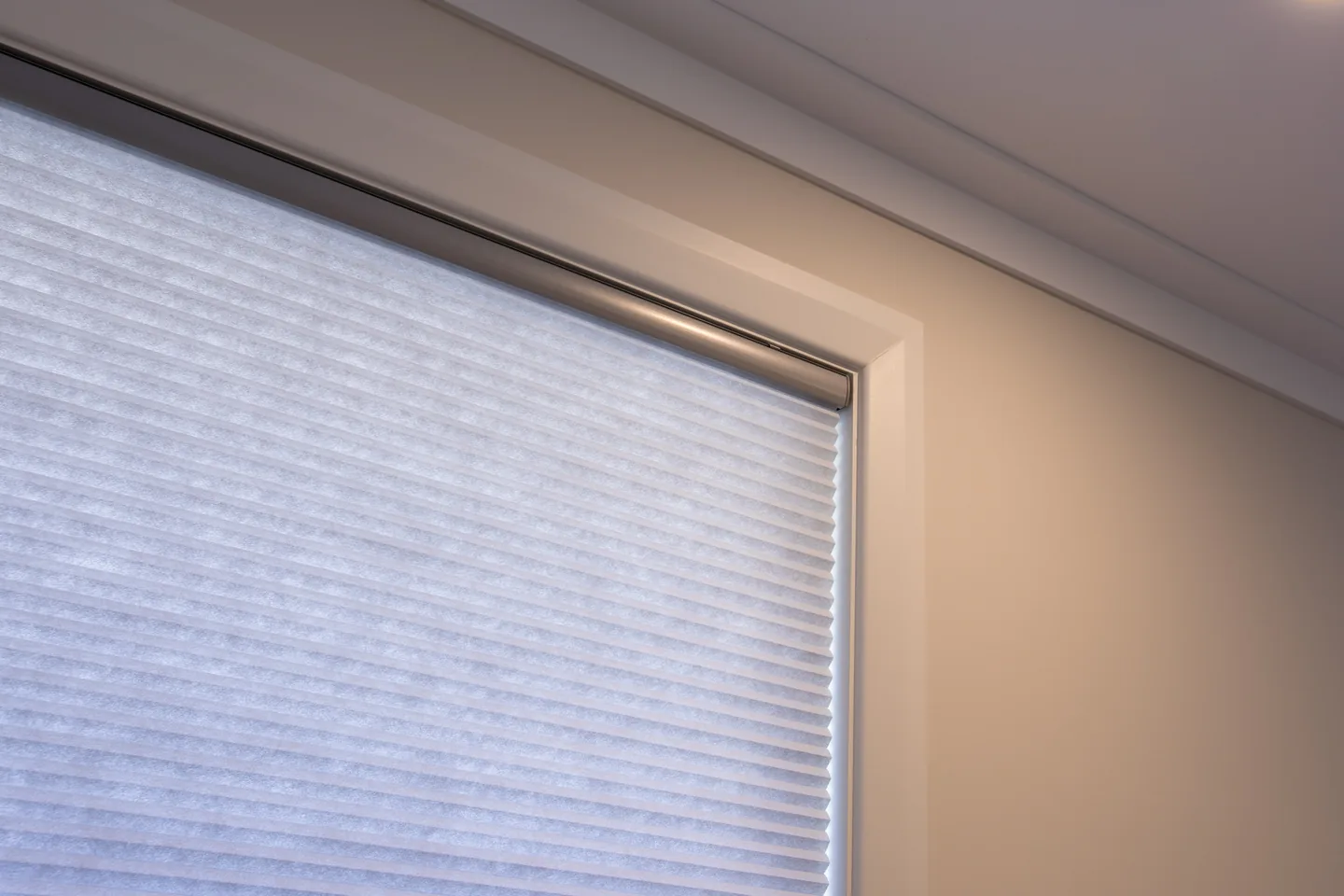
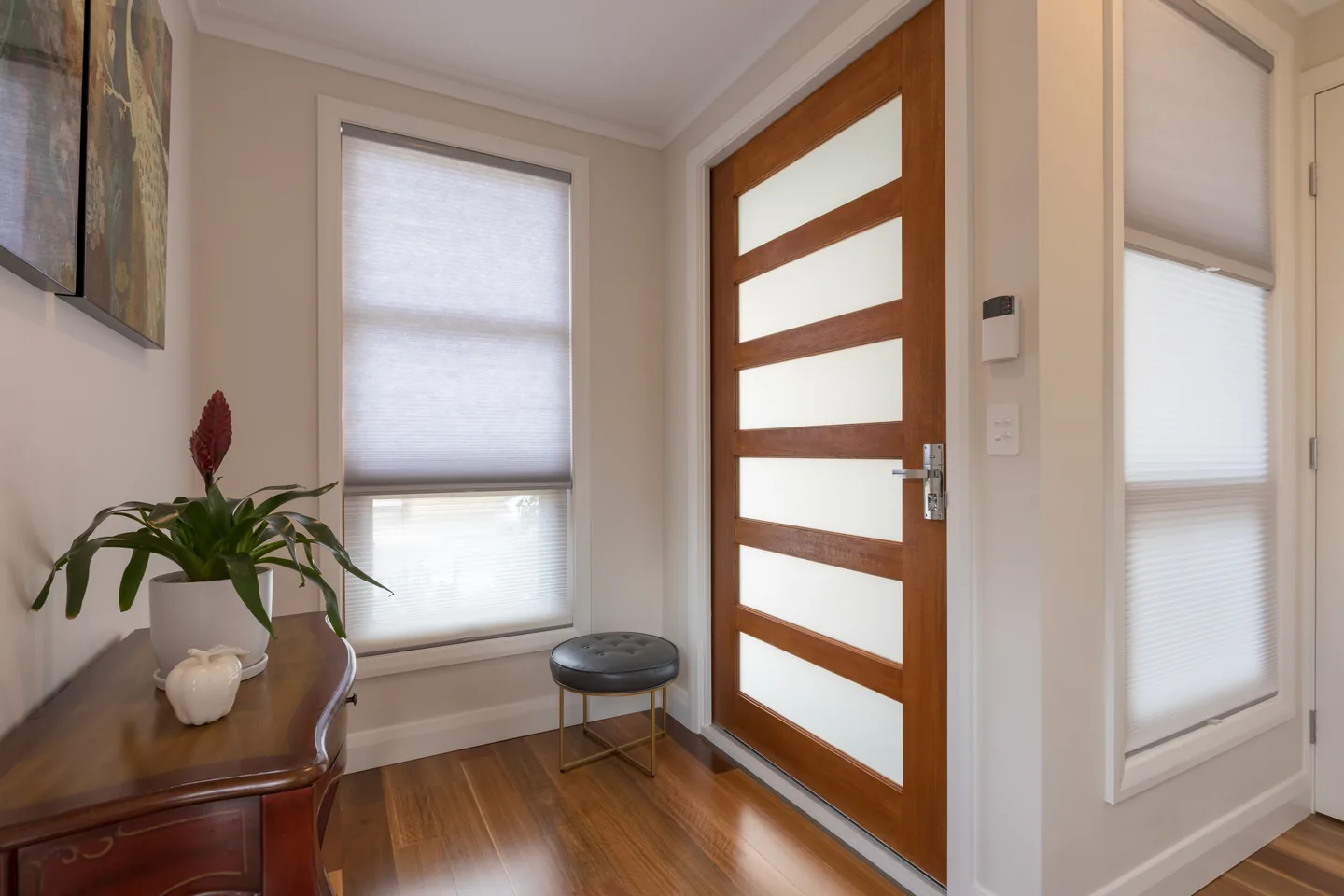
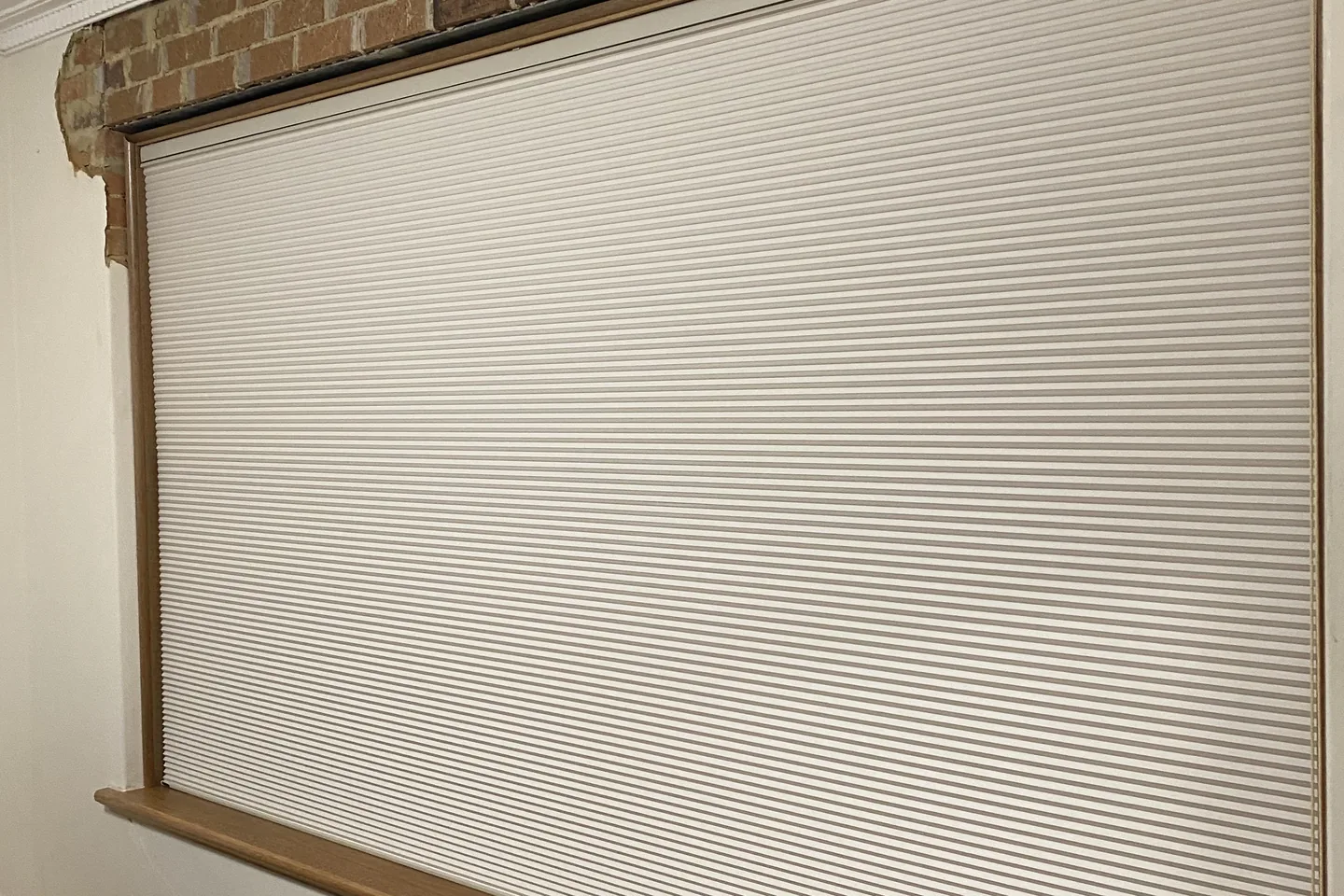
A few of our installations
The Stan Bond Service
Stan Bond offers a free no-obligation consultation on honeycomb blinds. Our consultants will help you with your project and provide you with a free quote.
Consultation
We provide an in-home consultation offering expert advice on all your options, and recommendations based on your personal style, needs, and budget.
Design
We look at the window with you and plan a honeycomb blind for the opening, the fabric and how you want to operate it.
Installation
Our experienced installers fit the made-to-measure honeycomb blinds to the prepared windows.
Frequently asked questions
What are honeycomb cellular blinds?
Honeycomb cellular blinds, also known as honeycomb shades or cellular shades, are window coverings with a cell structure. The cells trap air and can help insulate the window. They are commonly used overseas. How much the room changes depends on the blind, its fit, the glazing and the home.
How do the honeycomb cells relate to heating and cooling?
The pockets trap air between the window and the room. That can help insulate the window. The effect on heating and cooling depends on the selected blind, its fit, the glazing and the rest of the home.
What fabric options are available for honeycomb blinds?
Honeycomb blinds come in sheer, light-filtering, semi-opaque and room-darkening fabrics. You can also choose a single cell or a double cell. Any difference in insulation or sound depends on the product and the installation. These blinds are not soundproofing.
Can honeycomb cellular blinds be made for my opening?
Yes. You can select from a range of colours, patterns and operating systems, including motorised options. What is available depends on the opening and how you want the blind to work.
What types of windows are suitable for honeycomb cellular blinds?
They can be used on narrow windows, large sliding doors and skylight windows, subject to the selected system. They are used with modern and traditional interiors.
Are honeycomb cellular blinds easy to maintain?
Everyday dusting can use a feather duster or a vacuum cleaner with a soft brush attachment. For stains or a deeper clean, use only the method approved for the selected fabric. Do not use water or detergent unless the supplier approves that method.
What do day-night honeycomb blinds do?
Day-night honeycomb blinds use two fabrics, such as a sheer top for daylight and a blockout bottom for privacy. Light and privacy depend on the fabrics, the fit and any gaps around the blind.
Can honeycomb blinds be motorised?
Yes. Motorised options are available. Some motors work with a remote or an app. Cordless and motorised options reduce exposed cords. Ask which controls suit the selected blind.
How do honeycomb blinds relate to noise?
The unique honeycomb structure and double cell fabric options may soften room echo; sound performance depends on the product and installation and should not be treated as soundproofing. Busy urban areas are one place people ask about this.
What should I consider when choosing honeycomb blinds?
Look at the opening, the fabric, a single or double cell, and how you want to operate the blind. Light, privacy and any insulating effect depend on those choices, the fit and the room.
Looking for other light-control options? Explore our Roller Blinds and Roman Blinds, or see the full indoor blinds range.
Knowledge Centre
Our knowledge experts have put together some helpful articles to help you with your project.
All Articles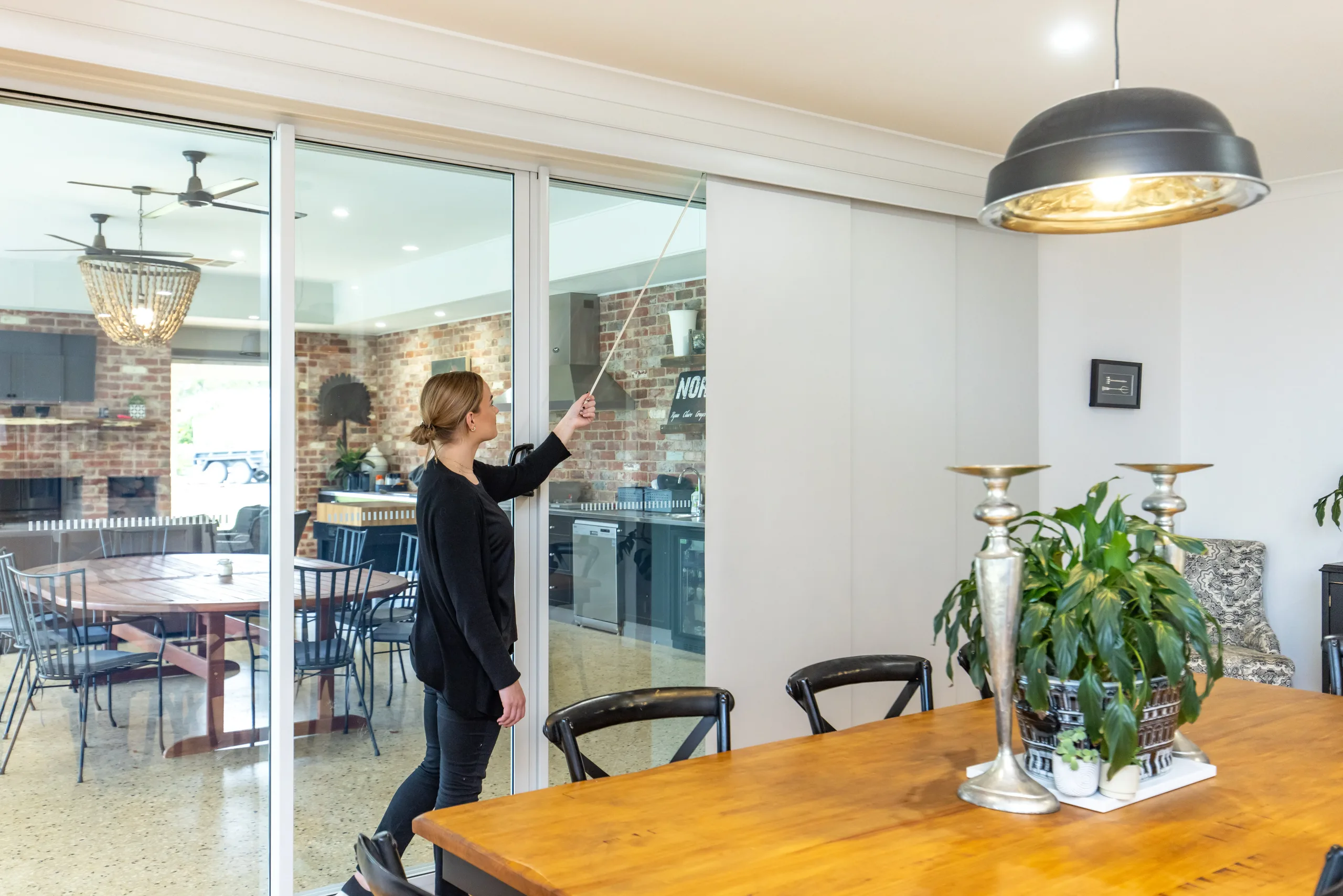
Choosing Blinds for Your Adelaide Home
Choosing the right blinds can be daunting. You’ve got to take into consideration the style, size, colour, texture, scale, pattern and
Continue Reading...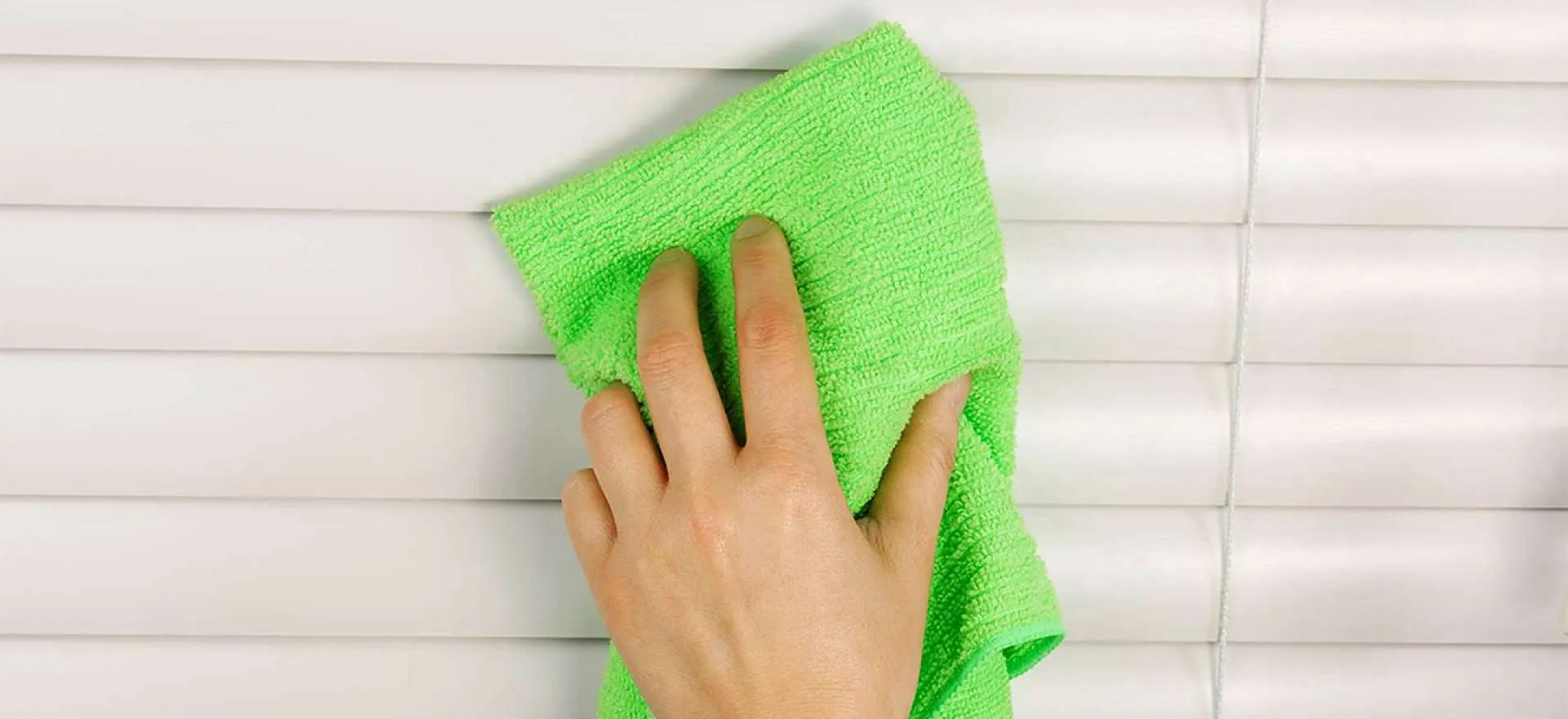
The Stan Bond Guide to Cleaning Internal Blinds
Stan Bond has been helping South Australians with window furnishings since 1970. The right cleaning method depends on the blind’s fabric,
Continue Reading...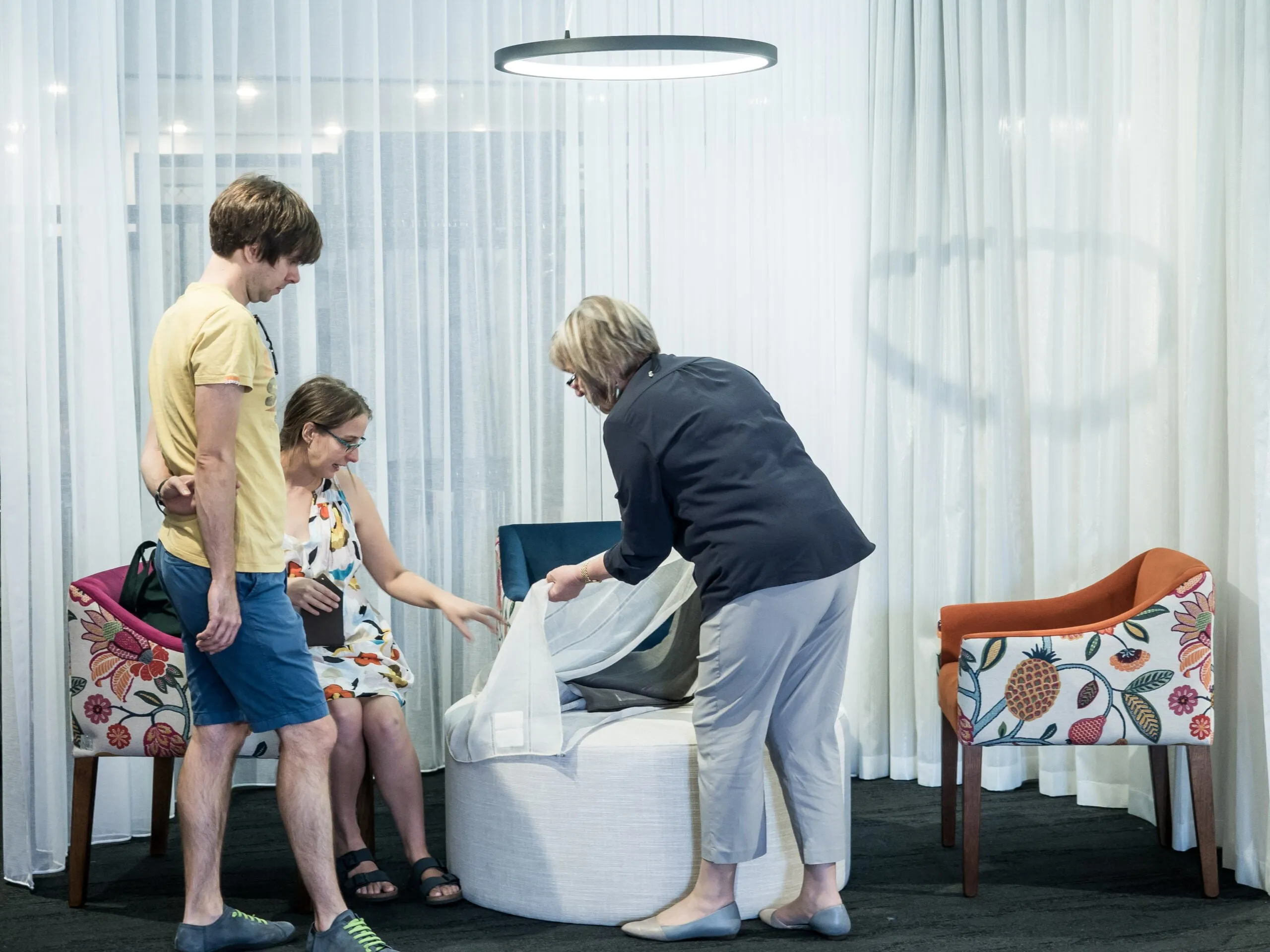
Adelaide Blind Fabrics - Blockout & Sunscreen
Stan Bond offers a wide range of fabrics.
Continue Reading...