

Knowledge HubIndoor Blinds
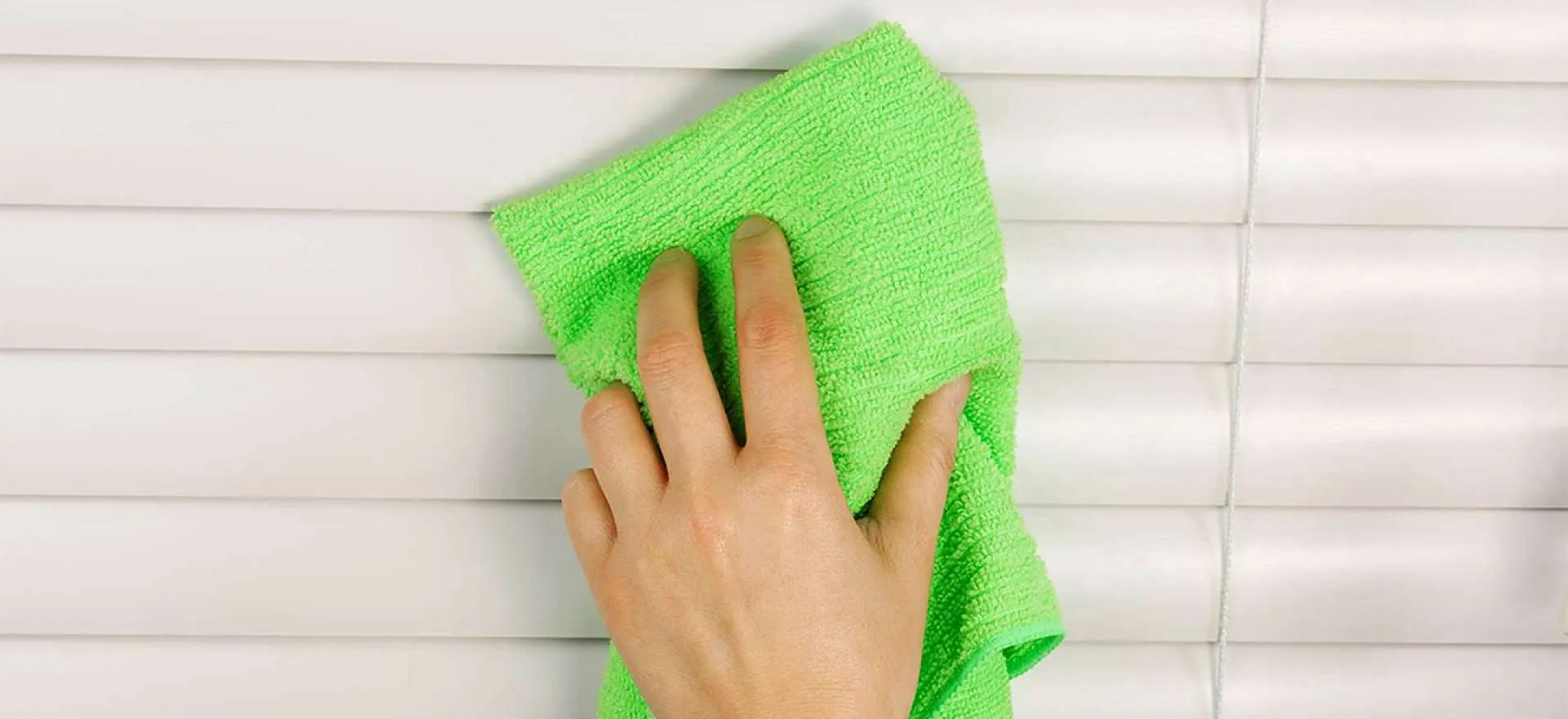
Stan Bond has been helping South Australians with window furnishings since 1970. The right cleaning method depends on the blind’s fabric, coating, mechanism and controls, so start with the care instructions supplied with your product.
Before cleaning
- Identify the product and read its care label or manufacturer’s guide.
- Keep motors, electrical parts, headrails and operating mechanisms dry. Do not immerse a complete blind, hose it down or use spa jets.
- Do not remove a heavy or awkward blind from its brackets for cleaning unless the product instructions allow it and it can be done safely.
- Ask us for the correct guide if you cannot identify the fabric or finish.
Fabric blinds
For roller, Roman, panel glide and honeycomb blinds, follow the fabric-specific dusting instructions. Use a soft brush or low-suction upholstery attachment only where approved. Do not assume a fabric can be washed or spot-cleaned: water, detergents and rubbing may affect coatings or leave marks. Test an approved method in an inconspicuous area first.
Aluminium venetians
Use the approved method for the slat finish. Do not soak the blind or apply polish, sprays or cleaners unless the manufacturer permits them. Keep cords and mechanisms dry and avoid bending the slats.
Timber venetians
Follow the finish-specific care guide. Do not saturate timber or assume furniture polish is suitable. A product approved for one timber coating may damage another.
Vertical blinds
Check the fabric and hardware instructions before removing blades or applying any cleaner. If there are stubborn stains, ask a professional cleaner to assess the exact material and follow the care label.
For help identifying your blind or obtaining care instructions, contact Stan Bond or call 08 8336 2066. If cleaning is not enough, or a mechanism needs attention, see blind repairs. A roller chain that will not operate is covered in how to fix a broken roller blind chain.